ActionAid Malawi says there is a need to strengthen the
capacity of communities living in areas where mining activities are taking
place so they can effectively participate in decisions affecting their rights
and livelihoods.
The organisation, through its new project dubbed “Uplifting the Voices of
Mining Communities,” will focus on building the capacity of
women, girls, young people and other marginalised groups to participate in
policy processes and advocate for issues affecting their communities.
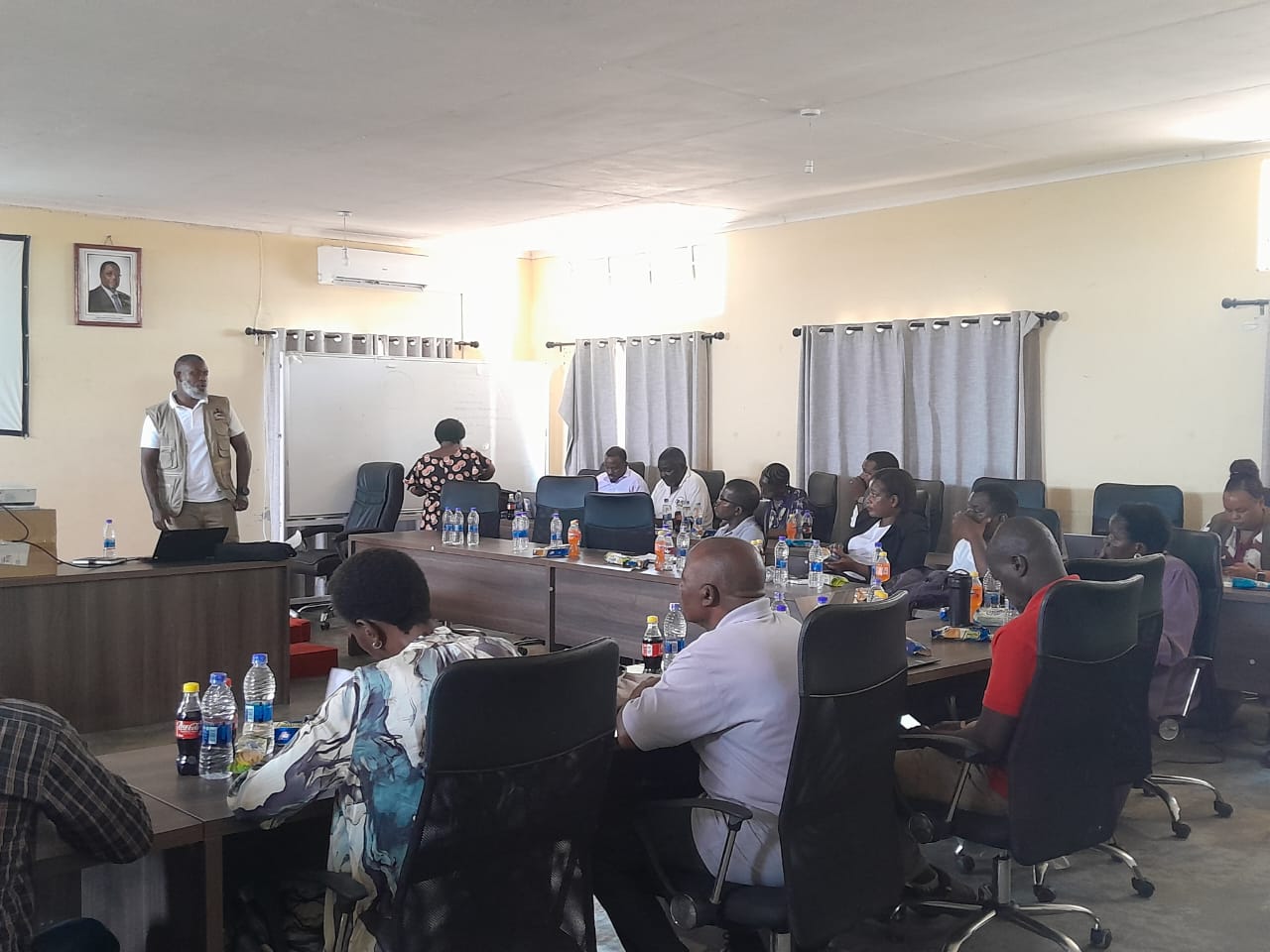
ActionAid Malawi Project Officer Charles Finis Phiri
said this on Wednesday when the organisation presented the project to members
of the Nkhotakota District Executive Committee (DEC).
Phiri said the organisation had observed that people
living around mining areas sometimes face rights violations, including having
their land taken without proper procedures being followed.
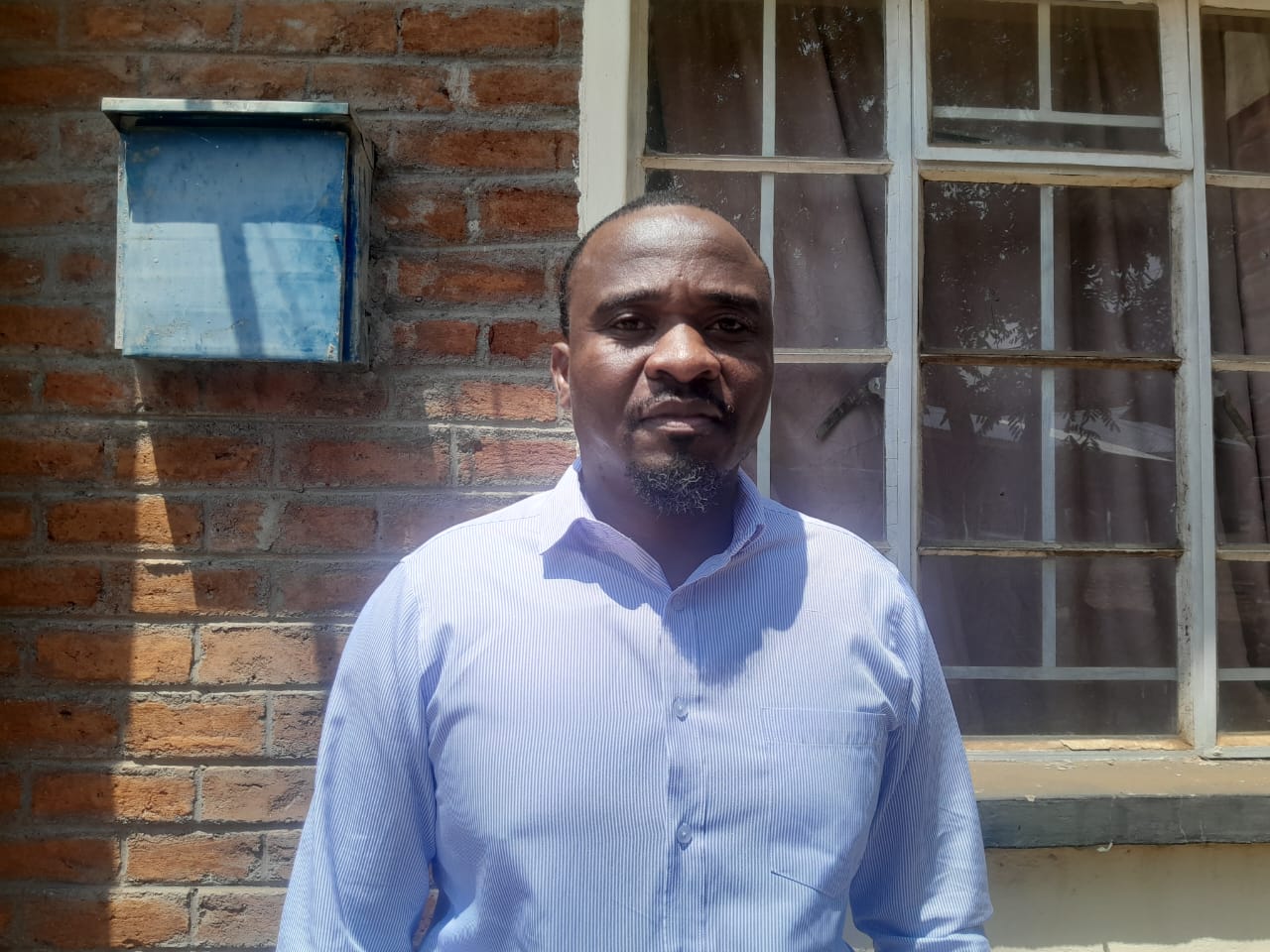
In picture: ActionAid Malawi Project Officer Charles Finis Phiri
He said equipping communities with knowledge of their
rights would enable them to engage authorities and advocate for their
interests.
“Through this project we will also ensure that we work
with the responsible ministry to ensure that the communities do have documents
relating to their land and they should also be trained in their land rights.
They should also be trained on the value of their land and verses the usage,”
he added.
Phiri said the project would also strengthen the
capacity of duty bearers at council level to enable them to effectively provide
oversight and respond to concerns affecting mining communities.
According to Phiri, activities under the project in
Nkhotakota will target communities in the areas of Senior Chief Mphonde and
Mwansambo from May 2026 to May 2028.
Meanwhile, the project is also being implemented in
Balaka District.
Supported by Comic Relief, the project has a
total budget of 120,000 British pounds, equivalent to approximately
287
million Malawi Kwacha.
The project is expected to reach 400 people across the two
districts, with 200 beneficiaries targeted in Nkhotakota and another 200 in
Balaka.