All of the 24 years she lived as a girl ended when she was impregnated by her older boyfriend.
Shakida (not her real name), from Lunda Village in Traditional Authority Lunda in Salima District, was forced into an abortion by her boyfriend in 2023.
“I was told to consume drugs to terminate the pregnancy. Up to date, I can’t recall the drugs,” Shakida said.
She recalls that her relationship with her boyfriend seemed perfect at first, but behind closed doors, things were different.
“He promised to marry me, which didn’t happen,” she said.
When she got pregnant, she was pressured into having an abortion, ignoring her doubts and fears. The procedure remains blurry in her memory, but the pain and regret that followed have stayed with her. She says no one else knows about the incident apart from her boyfriend.
Three years later, Shakida has not sought post-abortion care. Apart from struggling with feelings of guilt and internal shame, she now fears whether she will be able to bear children once she gets married.
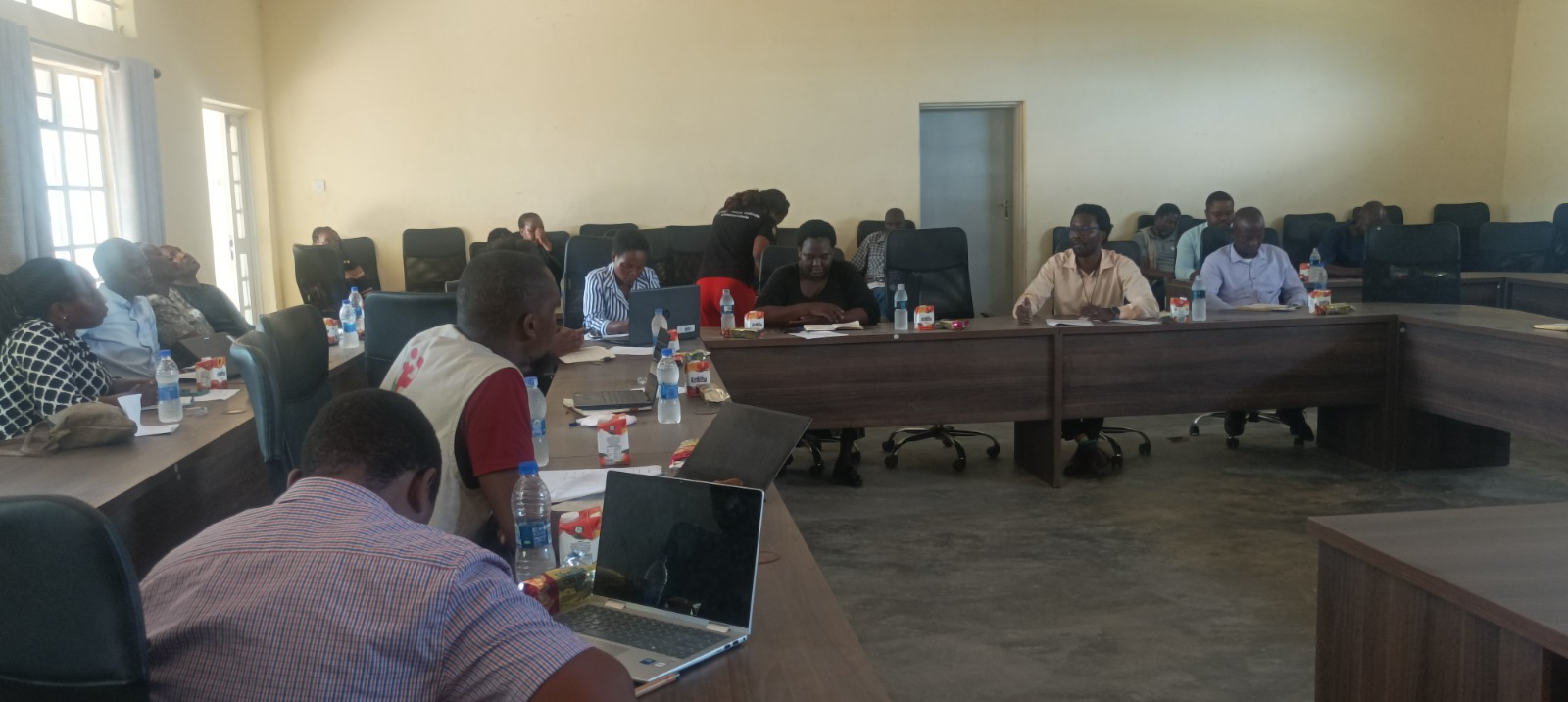
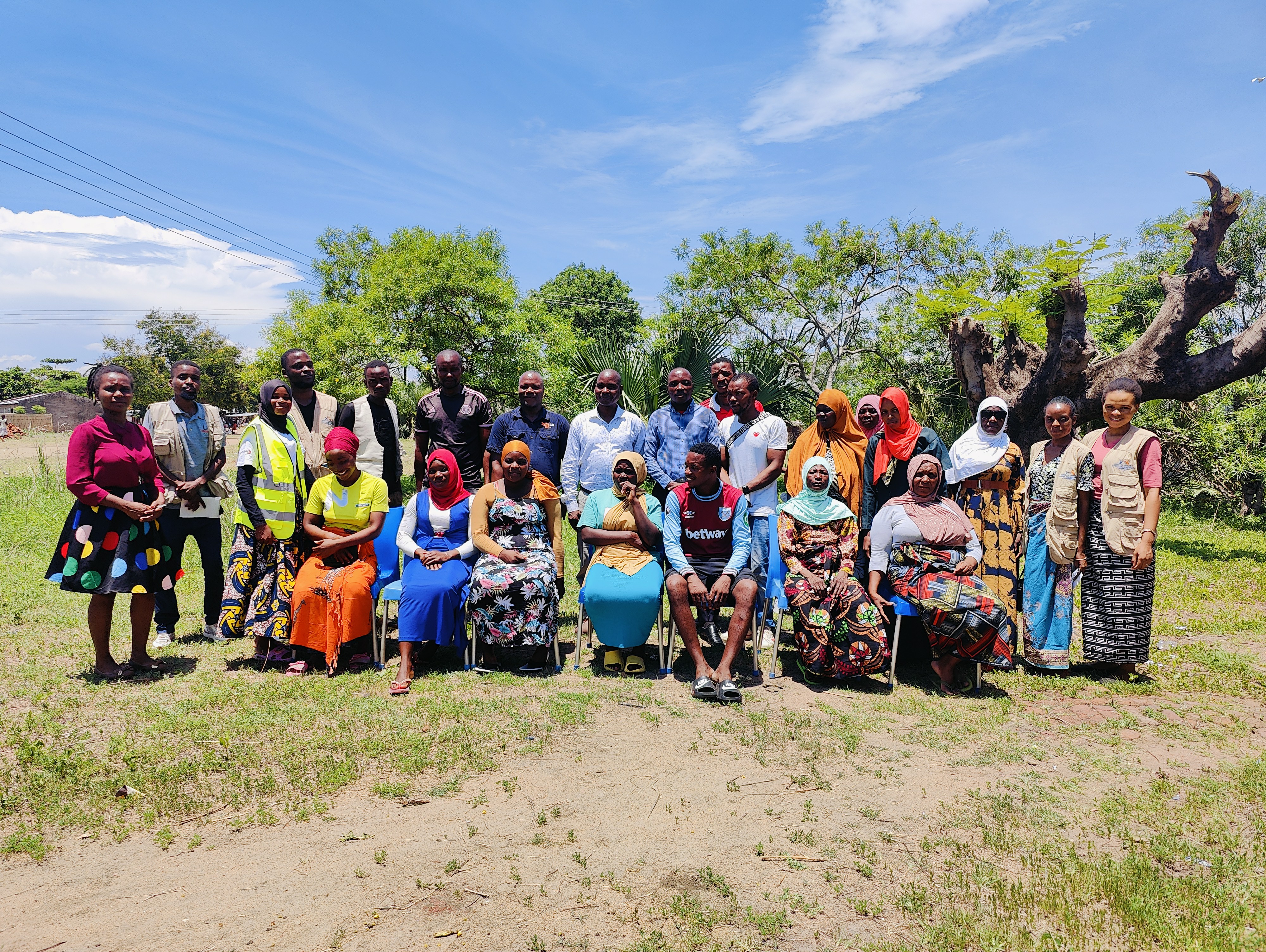
She never shared her story publicly until Wednesday, December 10, 2025, during a quarterly consensus-building meeting organized by Bridge to Community Liberty Development. The meeting brought together various stakeholders, including religious and local leaders, women, and youths, at Kachulu in Traditional Authority Bibi Kuluunda in Salima.
After receiving guidance from the team, Shakida has had a change of heart and is now eager to access sexual and reproductive health (SRH) services herself, while encouraging others to do the same.
Looking at similar scenarios in various districts, Shakida’s story reveals that she is not alone. Many girls and women struggle to access the support they need after traumatic experiences such as this, which can be overwhelming.
According to Post-Abortal Care (PAC) Coordinator at Salima District Hospital, Peter Pinakuwa, at least 483 women received post-abortal care in the district from January to November this year, with at least 16 found to have complications, including anemia and sepsis.
Pinakuwa said, “Our records from health facilities providing post-abortal care services from January to November have shown significant changes in post-abortal healthcare-seeking trends.”
According to the Executive Director for Bridge to Community Liberty Development, Faida Amurani Phiri, Sexual and Reproductive Health Rights (SRHR) awareness remains limited, with a persistent disconnect between stakeholders and communities, often exacerbated by cultural and religious beliefs.
“We need concerted efforts to share knowledge and understanding of SRHR, as there is still an existing gap stemming from both religious and cultural beliefs,” Phiri said.
Ipas Malawi, an organization that works with the government and other partners, advocates for improved support for safe abortion services in the country.
While acknowledging the existing gaps, Ipas Malawi Health Systems Advisor Christopher Kandionamaso cited limited awareness of human rights and safe abortion rights as a significant concern, calling for intensified efforts to educate and raise awareness.
“If you go around, you will find that many people do not know about their rights when it comes to SRHR, and we need more awareness on this,” Kandionamaso said.
Shakida’s decision to take the first steps toward healing after years of struggling with guilt, internal shame, and regret shows that, with time, survivors can find support and begin to heal.
By sharing her story, Shakida hopes to inspire others to seek help and healing, making this story a beacon of hope for many.