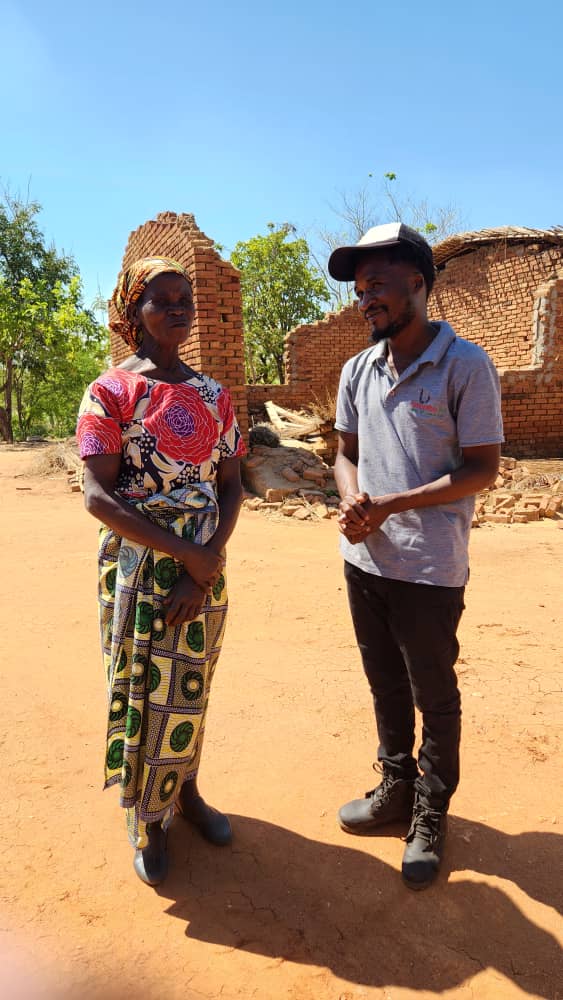
In the quiet rice fields of Nkhotakota, the day begins long before the sun fully rises. But for many women, including 38-year-old Esinart Mwale, dawn is not just the start of work, it is a reminder of what they have lost. After months of planting and weeding side by side with her partner, she watched her entire harvest disappear in his hands, leaving her with children to feed and nothing to show for her labour.
For months, she worked side by side with her partner planting and weeding. But when the harvest came, he disappeared with everything they produced, leaving her with nothing but the soil beneath her feet and the children she must now feed.
She says, “The day my husband left I had gone to the maize mill which is far from home, so he had time to do what he wanted. He brought a vehicle and carried all the 90 bags we harvested last season. We had agreed to sell during the festive season when prices go a little higher but I later realized I was planning alone.”
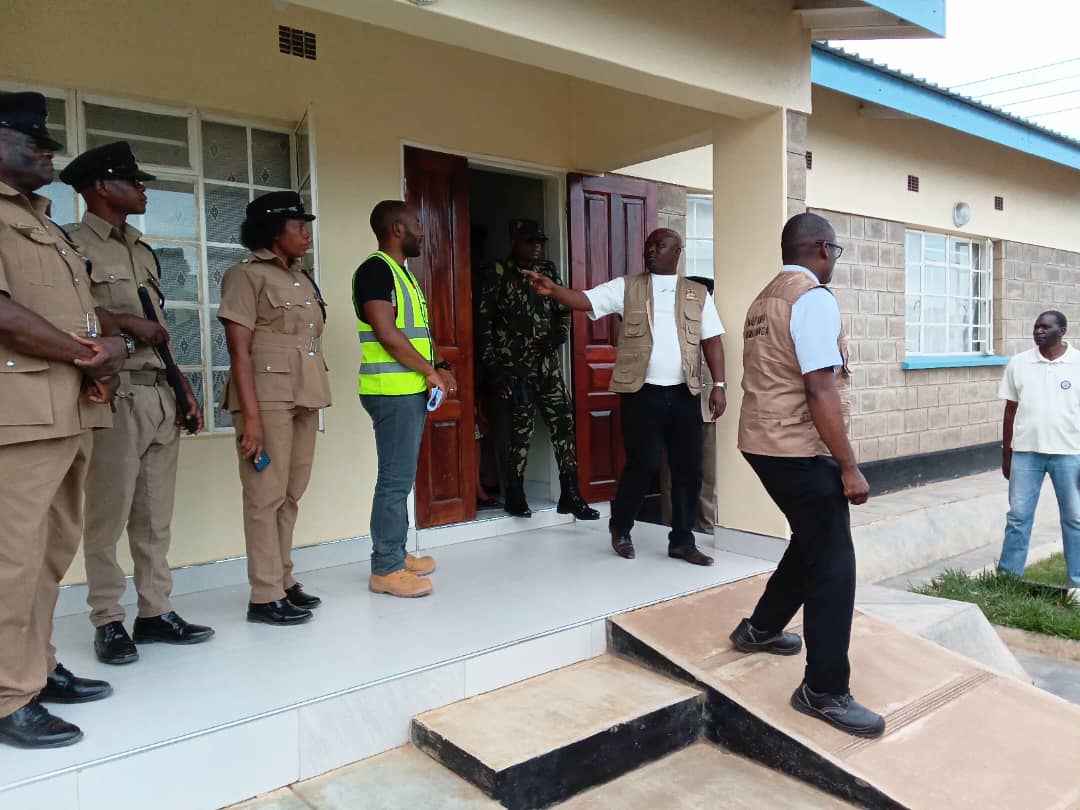
Her experience is one among more than 45 cases reported every month to the Nkhotakota Police Victim Support Unit (VSU), cases where women’s labour goes unseen and economic loss becomes the clearest sign of abuse.
Dorothy Chingayipe, the Community Policing Coordinator at Nkhotakota Police, says the unit handles many cases involving economic harassment and the numbers keep rising.
She says, “Much as we are raising awareness the cases continue to rise and this calls for a broader approach especially involving the men themselves.”
She adds, “We use a referral system where survivors are sent to Social Welfare and the Gender Office and in some cases we advise them to lodge complaints at the court.”
In Mwansambo area many women say the pattern has become common. One woman from the area of Senior Chief Mwansambo says, “Akulu just a simple issue turns into a big argument especially when it comes to selling rice. So many women are victims in our area and as women we need to start working hard on our own.”
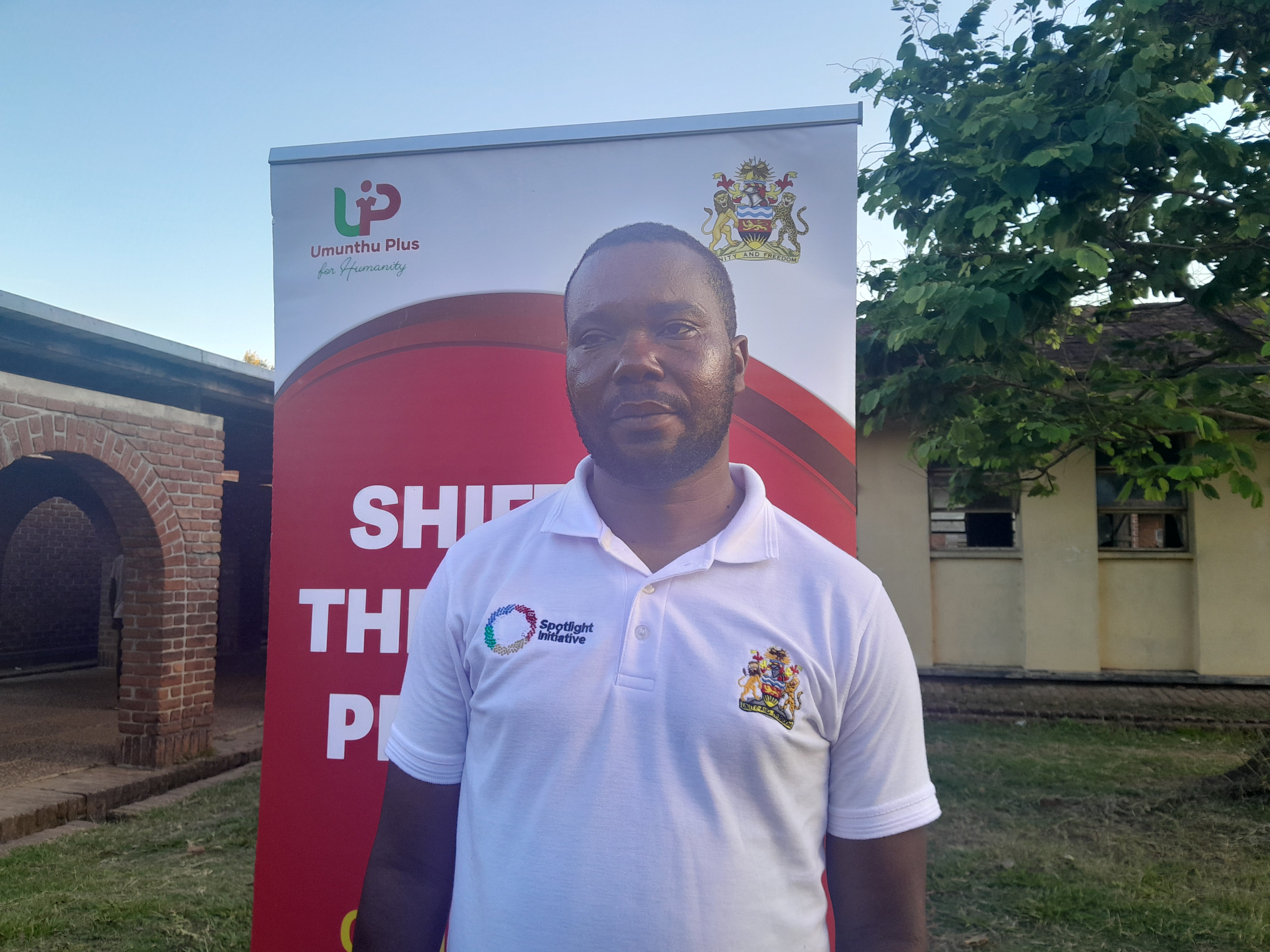
Umunthu Plus Organisation, which operates in the district with various projects targeting Mwansambo and Malengachanzi, says the situation is getting worse.
Favour Kalilole, a field officer speaking on behalf of the gender officer, says, “The figures from police already show that many women are being victimized in different ways. We work with female farmers to sensitize them on their rights and on steps to take when reporting to relevant authorities and this could be the reason more women are coming out.”
She adds, “We would love to see stakeholders use the 16 Days of Activism to reach hard-to-reach areas especially Mwansambo and strengthen efforts against gender-based violence.”
At district level officials are also concerned. Alick Munthali, the senior gender officer at Nkhotakota District Council, says, “The cases could even be higher because many women choose not to report. Lack of funding is affecting our efforts because we are unable to reach wider communities with awareness messages.”
He adds, “We have lined up activities for this year’s 16 Days of Activism using public address systems and district radio programmes. We call upon stakeholders to join these efforts.”
Policies guiding the protection of women include the Gender Equality Act 2014, which promotes equal participation in economic activities, and the Prevention of Domestic Violence Act, which protects women from all forms of violence including economic abuse. The laws allow survivors to report and seek justice through community structures and the courts.
Nkhotakota Magistrate Dumisani Katundu says, “The court has prosecuted at least 70 cases linked to economic and domestic related offences between January and August this year.”
He says, “Most women fail to bring evidence and some withdraw cases without clear reasons. As a court we rely on Social Welfare and the Gender Office because they handle these issues from the first point of contact.”
He adds, “I take part in community talk shows including those organized by Umunthu Plus to explain what the law says and how women can be protected. Reporting is important because it is the only way the court can act.”
For many women in Nkhotakota, the field is more than a source of income, it is their only path to survival. Yet as long as harvests continue to vanish at the hands of those they depend on, the cycle of economic abuse will tighten its grip. Stakeholders hope that with stronger awareness, community involvement and full use of the law, these fields will not only produce food but finally deliver the dignity, safety and economic freedom that women farmers deserve.

.jpg)