The
Malawi Human Rights Commission (MHRC) says some public institutions are still
facing challenges in fully implementing the Access to Information Act of 2017,
despite progress in making public information available.
MHRC
Director of Civil and Political Rights Peter Chisi said a recent assessment
shows that nearly 40 percent of the public institutions assessed have made
progress in providing access to information.
“We still
have a long way to go to ensure full compliance with the Act. According to our
recent assessment of various government institutions, there has been
improvement from 2017 to date. However, many institutions have not integrated
access to information into their day-to-day operations, making it difficult for
them to meet most of their obligations under the Act,” said Chisi.
Chisi said
engagement with various institutions has helped some public institutions
establish systems for providing access to information. However, some
institutions are yet to meet the requirement of appointing information officers
to facilitate access to public information.
He made
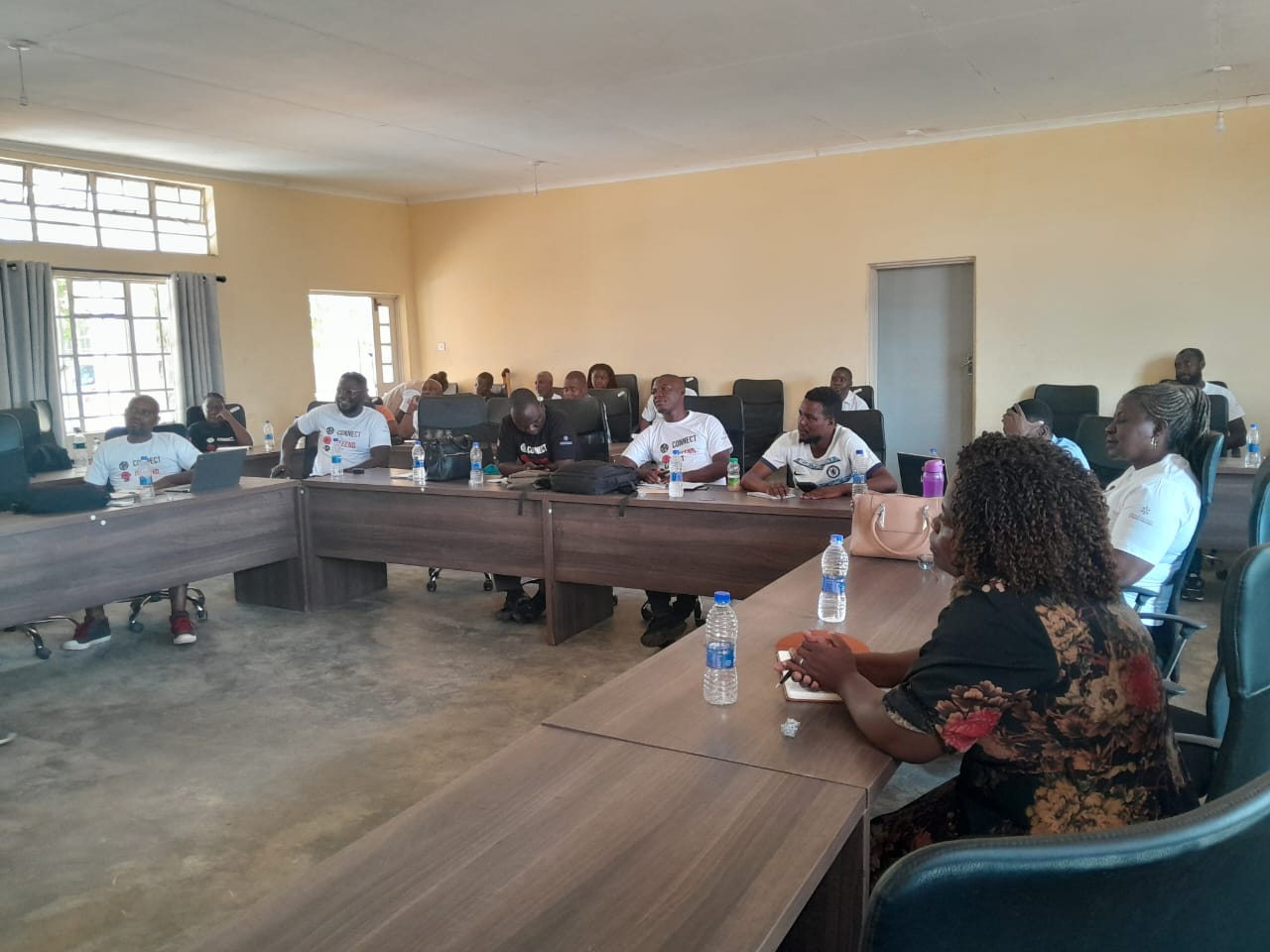
the remarks on Friday during a training on the Access to Information Act held
at Nkhotakota District Council Chamber. The training was organised under the Connect, Defend, Act (CDA) Project, which is being implemented by the Centre
for Civil Society Strengthening (CCSS).
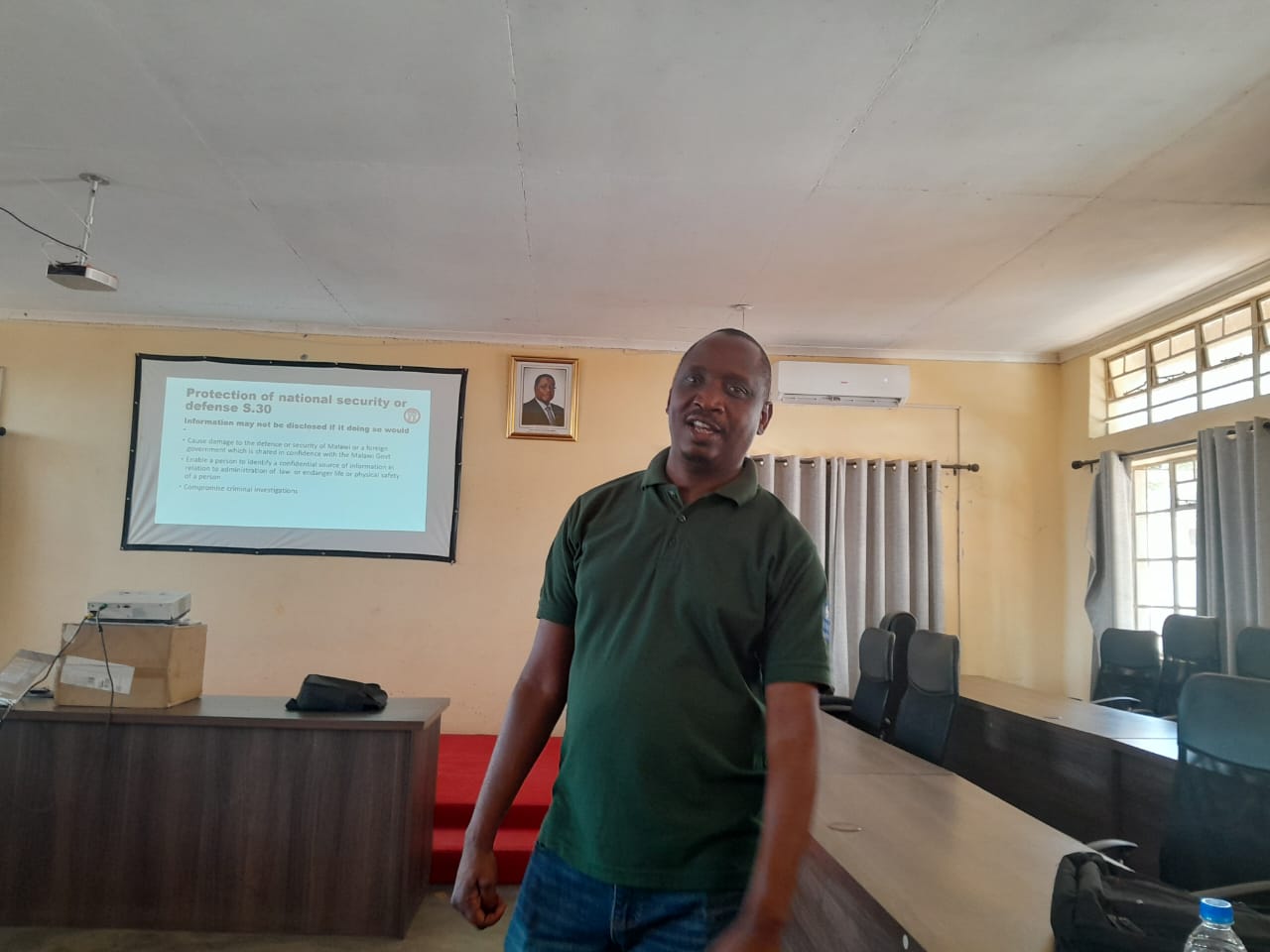
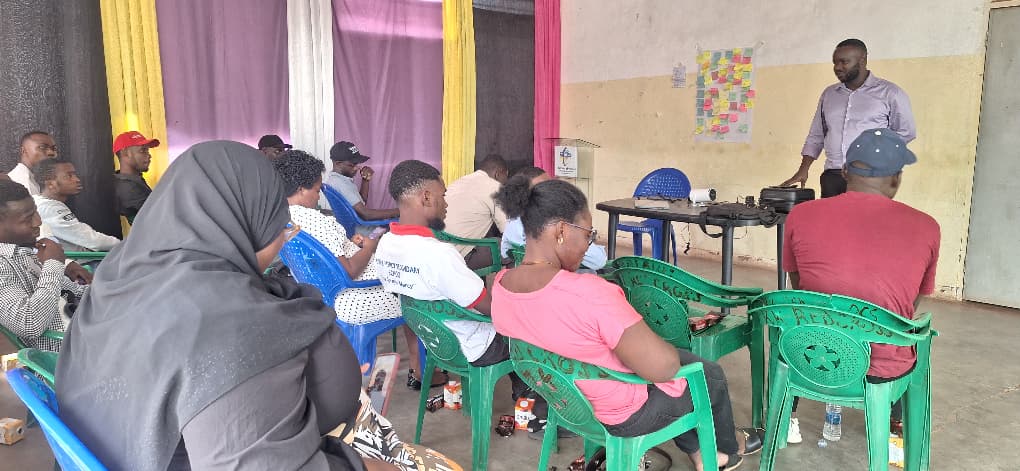
Peter Chisi facilitating the training on the Access to Information Act in Nkhotakota.
He also
identified limited public awareness of the law as another challenge, saying
many people do not know their right to request information from public
institutions or how to exercise that right.
Chisi
says civic education is therefore important in helping citizens understand the
law and use it to access the information they need.
CCSS
Project Officer Sinya Msiska said it is important for stakeholders and human
rights actors to understand the Access to Information Act so that they can help
communities access information as part of efforts to promote civic space.
Msiska said
some public institutions are reluctant to provide information, including what
may be considered basic information, making it difficult for people to obtain
the information they request, even when they seek it for legitimate purposes.
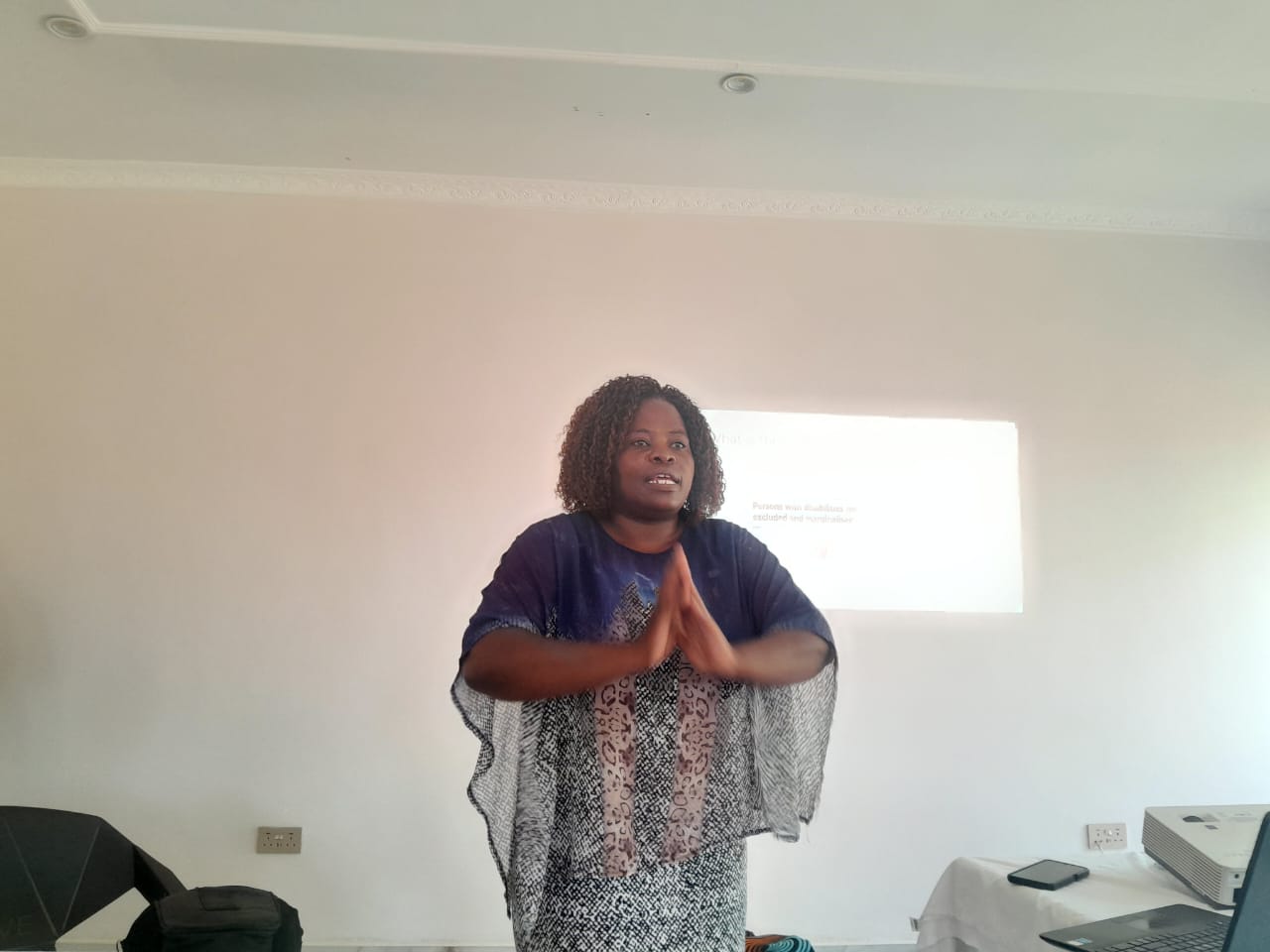
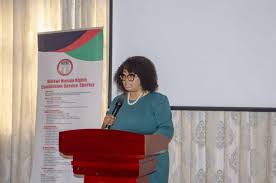
In the picture: CCSS Project Officer Sinya Msisya.
“At CCSS,
our priority is to promote transparency and accountability among citizens and
those holding various positions of responsibility so that people are not left
in the dark, but instead understand what is happening and can share facts with
others rather than speculations,” said Msiska.
Meanwhile,
National Initiative for Civic Education (NICE) Programmes Officer for Nkhotakota
District Hellina Mwimba, who participated in the training, said the session has
improved her understanding of the law, noting that many people are still
unaware of its provisions.
Mwimba said
NICE will use the knowledge gained to strengthen civic education and help
communities understand how to request information from public institutions.
“As NICE
is involved in teaching people various things, this is another component we
need to include in our packages when visiting communities. People should also
know their right to demand information from relevant authorities,” said Mwimba.
The
Centre for Civil Society Strengthening is implementing the CDA Project in
Nkhotakota and Mangochi districts with support from Hivos.