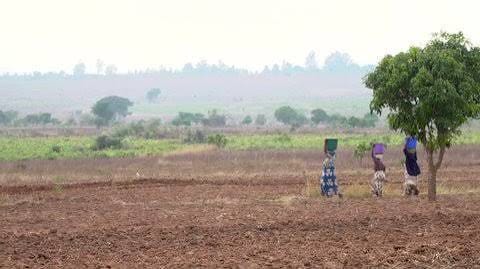
It is early morning in
Kasungu, and as a cold wind sweeps across the fields, Masautso Mbewe, 54, makes
his way to the farm he has relied on for years.
For Mbewe, farming this
two-acre piece of land near Lisasadzi Agricultural Experimental Station has
been part of his livelihood for several years. But this farming season is
different.
A stop order has been issued
against him and other villagers over allegations that they have encroached on
government land belonging to the Ministry of Agriculture.
Mbewe says the development
has left him facing an uncertain future after years of cultivating the land.
“I have been using this land
for several years, so being told that I can no longer farm here is difficult,”
he said.
His experience, however, is
not an isolated case.
Across Kasungu, government
land is increasingly coming under pressure from encroachment, with public
schools, government institutions, forests and parks among areas reportedly
affected.
Statistics from Kasungu
District Council indicate that a substantial amount of government land has been
encroached upon, although the council's report does not specify the total
hectarage of government land in the district or the proportion that has been
lost to encroachment.
The scale of the problem
becomes more complicated where government land borders communities whose
members claim longstanding customary rights.
One such dispute is
unfolding around Kasungu National Park, where residents of Chulu are
challenging the construction of a perimeter fence, arguing that the park is
extending into their customary land.
Park management, however,
maintains that it is residents who are encroaching on government land.
Francis Phoka is among 86
people at the centre of the dispute. He says communities have been using the contested
land since the 1970s and questions the claims being made by park authorities.
“We have been using this
land since the 1970s. These claims are baseless because our families have
depended on this land for generations,” he said.
He claims the dispute has
already cost residents significant portions of their customary land, with some
allegedly losing between two and 20 acres.
But Kasungu National Park
Manager Ndaona Kumanga gives a different account.
He insists the park is not
grabbing customary land but is merely following its established boundary.
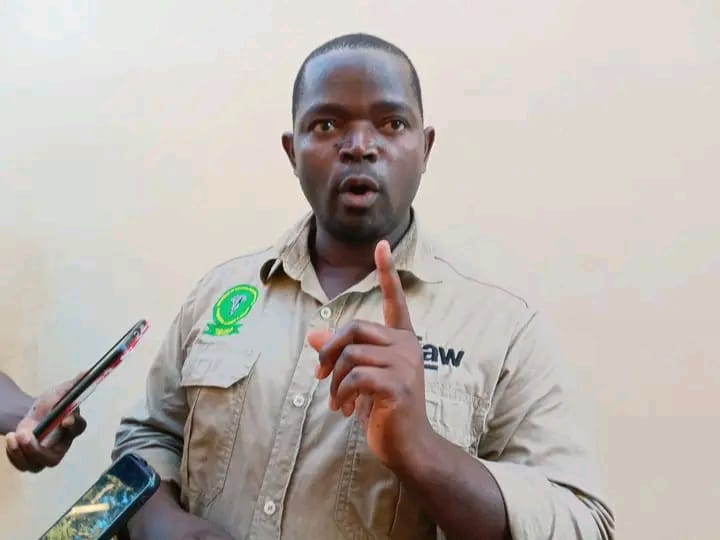
“The park is not grabbing
customary land. We are following the boundary of the park,” said Kumanga.
The disagreement has now
moved beyond a question of boundaries, with human-rights concerns emerging over
the fate of the affected communities.
Citizens for Justice and
Equity Organisation, led by human rights activist Agape Khombe, has joined the
residents in demanding compensation or a stay order over the land they say has
been used for decades.
Khombe argues that removing
the residents without properly addressing their claims would violate their
rights.
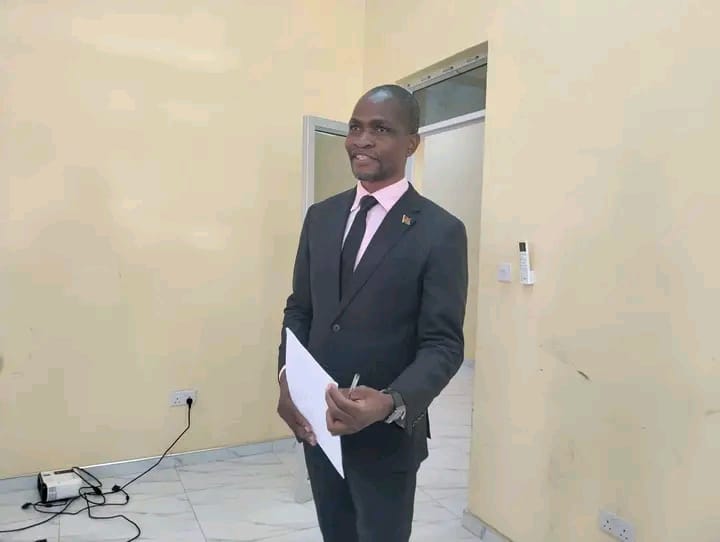 “These people have been
using this land for decades. Evicting them without addressing their concerns
amounts to a violation of their human rights,” Khombe said.
“These people have been
using this land for decades. Evicting them without addressing their concerns
amounts to a violation of their human rights,” Khombe said.
But the Chulu and Lisasadzi
disputes are only symptoms of a wider problem concerning the management and
protection of land in Kasungu.
Umunthu FM has established
that much of the government land in the district is not properly documented, a
situation that can make it difficult for authorities to protect public land
from unlawful occupation.
Where ownership and
boundaries are unclear, another question inevitably emerges: who has the
authority to allocate or control the land?
Kasungu Civil Society
Organisations Chairperson Braxton Banda accuses some traditional leaders of
taking advantage of loopholes in the land administration system.
Banda alleges that some
traditional leaders, due to inadequate knowledge of land laws, allocate or sell
government land without following proper procedures.
“Some traditional leaders do
not have adequate knowledge of the land laws, and this creates room for
government land to be shared or sold without following the proper procedures,”
said Banda.
He believes greater
awareness of land laws is essential if the problem is to be addressed.
“There is a need to
intensify sensitisation on land laws because encroachment is affecting the
implementation of government development projects,” he added.
As disputes over customary and public land continue, attention is also turning to the mechanisms available to resolve them.
The Customary Land Act
provides for District Land Tribunals to deal with appeals arising from
customary land disputes. In Kasungu, the District Council says it has a
District Land Tribunal structure in place.
Senior Chief Mwase is among the traditional authorities involved in
the local land-dispute process and he chairs the committee.
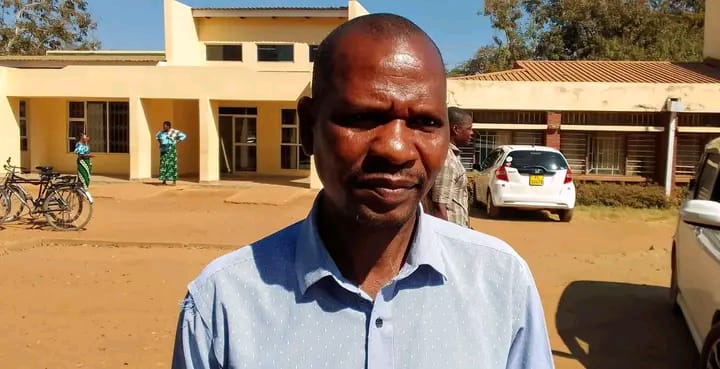
"Chief's are indeed on
the center of it all, however with this committee we will ensure that we
amicably resolve such cases," he said.
Resolving individual
disputes may not be enough if the wider problem of government land encroachment
remains unchecked.
Kasungu District Council
Commissioner Dr Lawford Palani says the council has sought legal guidance from
the Attorney General as part of its response to the growing cases of
encroachment.
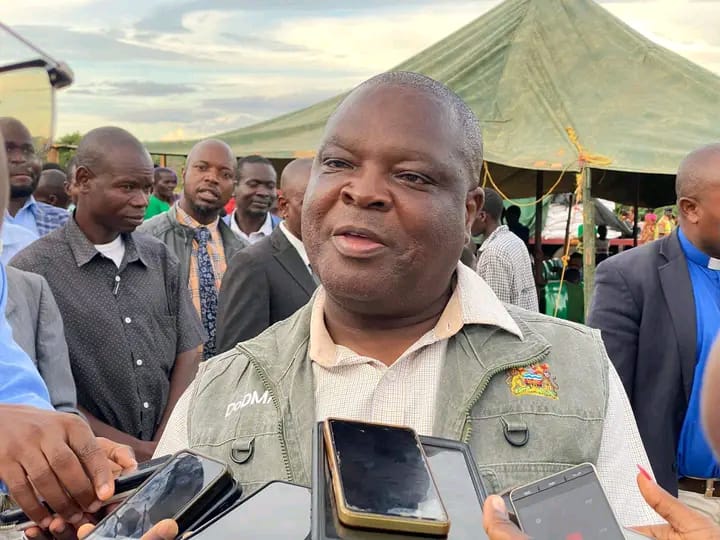
“As a proactive and reactive
measure to the increased cases of encroachment, the council has written to the
Attorney General for legal direction,” he said.
The council's concerns raise
a bigger question: if Malawi already has laws governing land, why does
encroachment continue?
Malawi's land laws have
undergone reforms aimed at strengthening land administration, addressing
weaknesses in the system and protecting land rights. Yet, on the ground,
enforcement remains a major concern.
Land expert Emmanuel Mlaka
says weak implementation, monitoring and enforcement are costing government
valuable land.
“The problem is not
necessarily the absence of laws, but weak implementation, monitoring and
enforcement of those laws,” said Mlaka.
With Malawi's population
continuing to grow and urban areas expanding, Mlaka says government must invest
more in land administration, particularly customary land registration.
“Government needs to allocate adequate funding
to intensify customary land registration because population growth and
urbanisation are putting increasing pressure on land,” he said.
From the fields of Lisasadzi
to the disputed boundaries of Kasungu National Park, the stories of Mbewe and
the Chulu residents reveal a deeper struggle over who controls land, who has
the right to use it and how those rights are protected.
Kasungu's land crisis
exposes a worrying gap between land laws and their enforcement. With government
land increasingly under threat from encroachment, weak documentation and poor
enforcement, the question is no longer whether land is being lost, but how much
more will be lost before authorities act.