National
Feb 06, 2026 09:13 AM
Patrick Kachere
ACB pushes for legal reforms to strengthen oversight of high-value public procurement
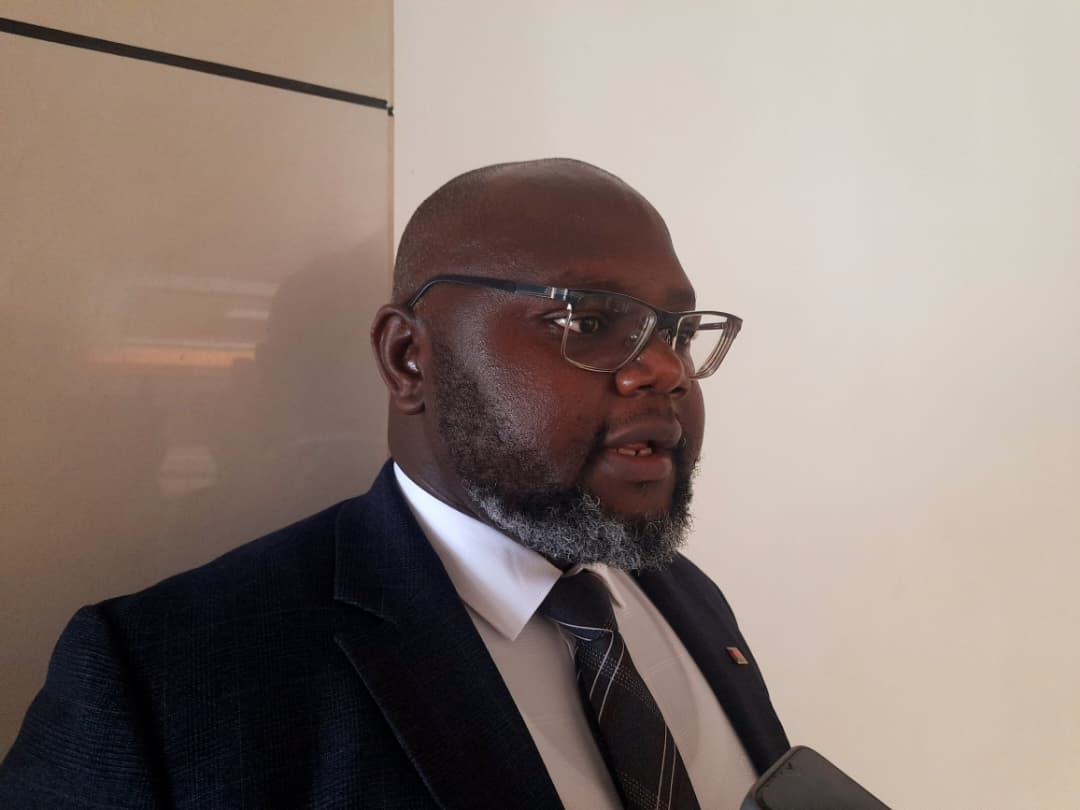
Concerned with the increasing corruption risks in infrastructure projects, the Anti-Corruption Bureau (ACB) is proposing amendments to public procurement laws to grant the bureau authority to vet high-value procurement processes.
Chembezi said corruption risks exist at multiple stages of infrastructure development, including single-source procurement methods, bidding processes, and project implementation.
He revealed that some contractors deliberately delay projects to demand additional payments, while others withhold payments or solicit bribes.
“We have identified various risks in infrastructure projects that create opportunities for corruption. For example, during bidding processes, some officials wait for others to submit bids and then leak information to favour certain bidders,” said Chembezi.
Chembezi was speaking during an orientation session with the Parliamentary Committee on Transport and Infrastructure on Wednesday in Lilongwe.
In his remarks, Chairperson for the Parliamentary Committee on Transport and Infrastructure, Dumisan Lindani, said the orientation session on integrity and corruption issues conducted by the ACB exposed policy gaps that require urgent review and support.
Lindani also mentioned several challenges that need to be addressed, including financial constraints and negative public perceptions, and emphasized the role of Members of Parliament in supporting reforms to minimize corruption.
“There are policy gaps that require our support to address. We must also review certain aspects of the system, as there are several challenges, including financial limitations,” said Lindani.
Currently, the ACB is only permitted to vet single-source procurement as its authority to review high-value procurement processes was removed in 2025, a move the bureau says, has contributed to increased corruption risks in public projects.
Tags:
#user feedback
Share on: