The
Civil Society Organizations (CSOs) Network in Nkhotakota has described the
district council's poor performance in the 2025 Local Authority Performance
Assessment (LAPA) as unsurprising, citing governance and financial management
challenges that have affected the local authority in recent years.
The
2025 LAPA report ranked Nkhotakota District Council 28th out of the country's
district councils, a sharp decline from its second-place position in the 2024
assessment.
Reacting
to the report, CSOs Network Chairperson Dan Nthala said the council's poor ranking
reflects concerns that have persisted over its management of public resources.
"We are not surprised because already the council was in the news for wrong reasons. We really anticipated this because LAPA is governance-based assessment,” he said, adding that “it is based on different indicators like transparency and accountability. This just portrays the actual performance of the council.”
The
council was implicated in the misuse of public funds last year, attracting
negative publicity. The latest assessment only confirms the governance and
financial management challenges that have been evident," said Nthala.
He
said the network plans to engage council authorities to discuss the findings
and identify measures to improve performance.
However,
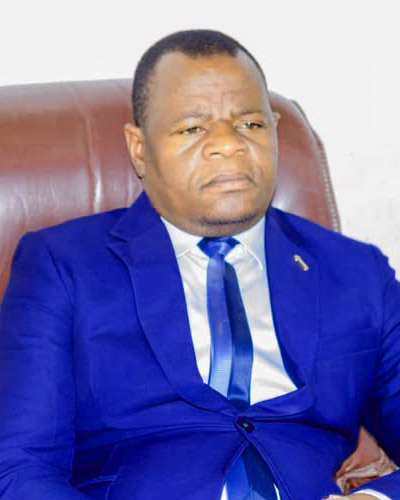
Nkhotakota District Council Chairperson Councilor Fitoni Khofi said he was
disappointed with the results and questioned the criteria used in the
assessment, considering the council's strong performance over the previous
three years.
Khofi
said the council would seek clarification from the assessing authorities on the
areas that contributed to its poor ranking.
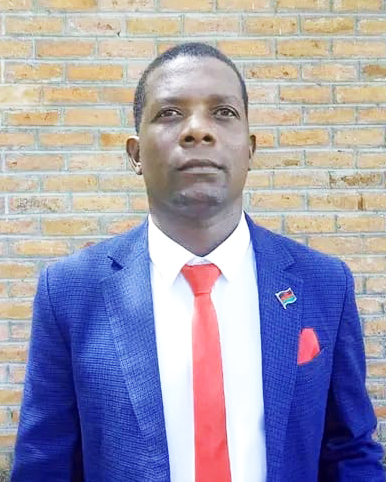
Khofi: LAPA report raises more questions than answers
He
also said the recent audit report, which linked the council to the
mismanagement of more than K3 billion under the Governance to Enable Service
Delivery (GESD) programme, raises questions that require further explanation.
According
to the audit report for the year ending 2025, 10 councils accounted for K5.1
billion in audit queries, with Nkhotakota District Council accounting for 76
percent—about K3.9 billion—in financial irregularities.
The
report cites irregularities, including the unauthorized use of GESD funds,
unsupported payment vouchers, unauthorized transfers between council bank
accounts, transfers of funds to untraceable accounts, and inter-borrowing
between council accounts for unrelated purposes.