Barely
six weeks after Umunthu FM aired a weekly assignment highlighting how water
scarcity in Nkhotakota District was increasing the risk of waterborne diseases
at Nkhotakota District Hospital, the facility is now experiencing relief
following improved water availability.
For
several months, residents of Nkhotakota have been grappling with a severe water
shortage, forcing women and children to spend long hours in queues during odd
hours in search of water. The crisis affected households, businesses, and
critical institutions, including the district hospital.
The
situation prompted civil society organizations, concerned citizens, and other
stakeholders to call on the Central Region Water Board (CRWB) to urgently
address the problem.
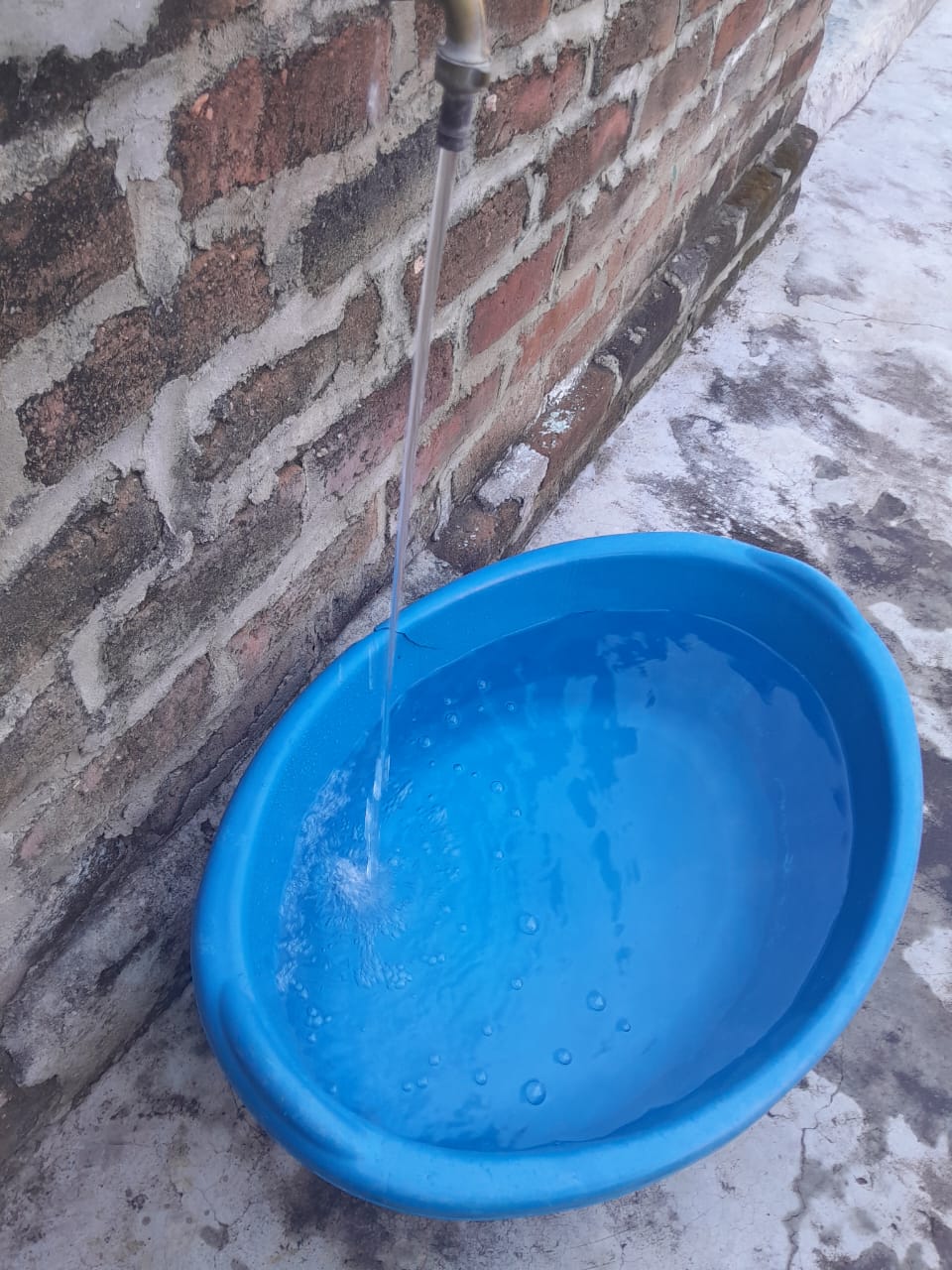
A recent
spot check conducted around Nkhotakota Boma has shown a noticeable improvement
in water availability compared to previous months.
Confirming
the development in an interview with Umunthu FM, Nkhotakota District Hospital
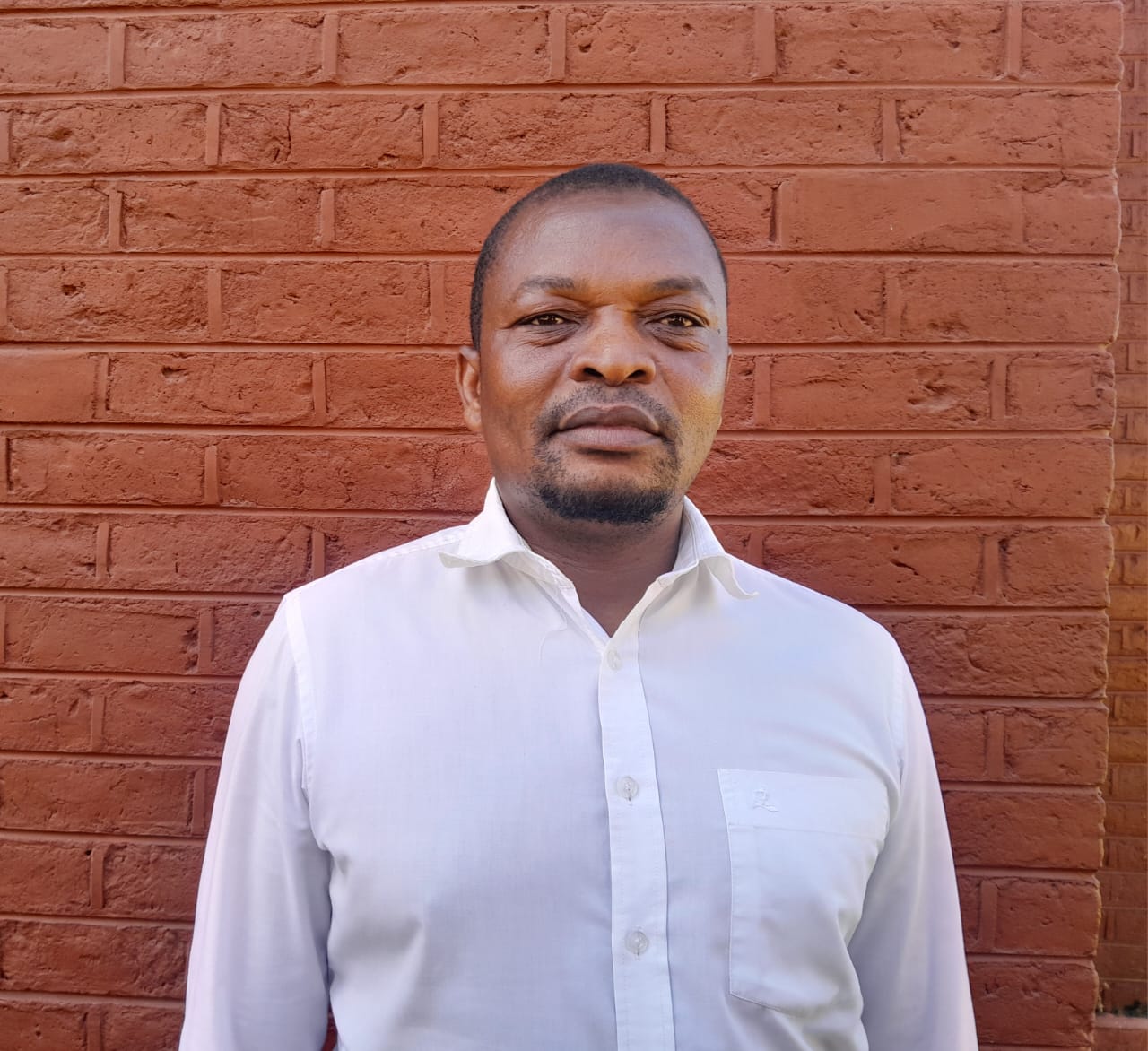
Director of Health and Social Services, Dr. Jacob Kafulafula, said the improved
water supply has enhanced service delivery, sanitation, and hygiene at the
facility.
"I
want to commend the Central Region Water Board for consistently supplying water
in the district, especially at the hospital. This is helping us a lot,"
said Kafulafula.
He said
the reliable water supply is helping the hospital reduce the risk of infections
and waterborne diseases such as cholera.
"The
development is improving our daily operations. If you look at the guardian
shelter and the kitchen, everywhere is clean because we now have enough
water," he added.
Kafulafula
further disclosed that, with support from MY Malawi through the district
council, the hospital is drilling two boreholes within its premises following
guidance from the National Water Resources Authority (NWRA).
According
to him, the boreholes will serve as an alternative water source to ensure
uninterrupted service delivery whenever tap water supply is disrupted.
The
improved water situation comes as a relief to both healthcare workers and
patients who had endured months of challenges caused by the prolonged water shortage.