Feature
Dec 07, 2025 04:12 AM
By Tamandani Hau
Human-Wildlife Conflict Turning Women into Wildlife Defenders
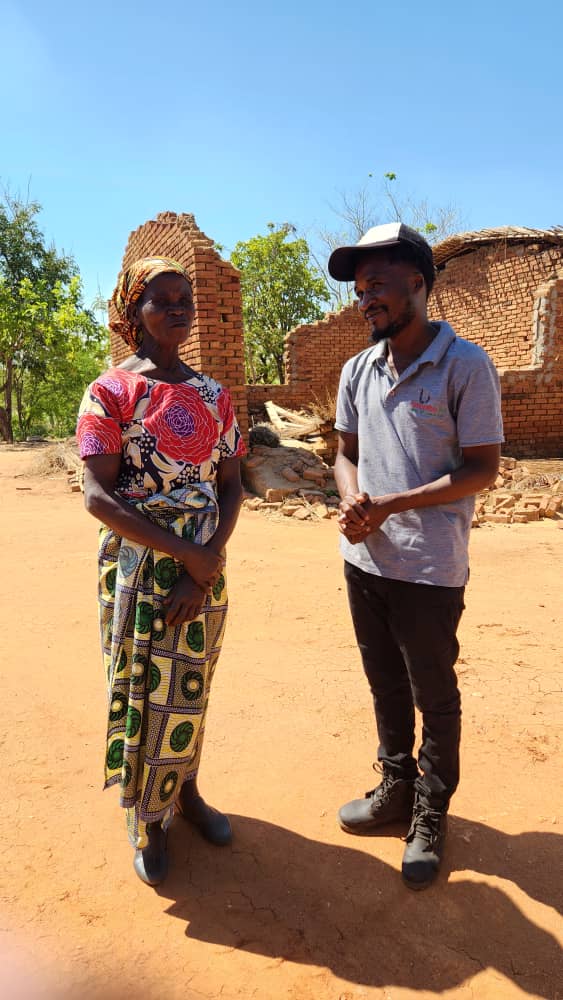
The sun had begun dipping behind the trees in the midst of Nkhotakota Wildlife Reserve at Chipungu village, 47 kilometers from Nkhotakota Boma as a 57 year old Christina Ngoleka offered her sharp welcome ready to share the experiences she has acquired in protecting her community and the wildlife.
Having acquired 1,800 square kilometers of rugged forest, river valleys and rolling hills, the game reserve stretches across Nkhotakota, Ntchisi, Mzimba and Kasungu districts.
According to the 2020 Forestry Amendment Act (63:01), settlement in buffer zones varies depending on management plans, environmental sensitivity and the local customs governing each reserve which has also applied to Chipungu village situated in the eastern part of Nkhotakota game reserve.
For families living along these boundaries, support only comes when communities follow the guidelines such as no encroachment, refraining from assisting poachers and tampering with the wired electric fence.
For Christina, she joined the 37 member patrol in 2020 after elephants destroyed her hut, scattered bags of maize and trumped all her three acres of cassava field. She was one of the 15 families affected in her community and later, the community discovered that poachers had cut the fence, leaving gaps that allowed elephants to wonder into the settlement.
From that devastation, a committee was formed on the basis of monitoring the fence, alert rangers and patrol the boundary zone where the danger often begins.
“The shock that happened that year is permanent. Everything was ruined but thankfully no one died. As women, we discovered that we do not have time to wait for men or rangers to rescue us. Now, we rescue ourselves and we are part of the solution in protecting this forest,” Said Christina.
According to the 2020 African Parks report, years of poaching had reduced Nkhotakota’s elephant population from 1,500 to just 100 before the park assumed management of the reserve and since its intervention, only one elephant has been killed in the past four years.
The law enforcement team with the community patrol spent a total of 750 man days responding to elephant’s breakouts in 2022-2023 but that figure has dropped to 206 days from 2023-2024 showing that while human-wildlife conflict is still happening, but it is declining at a good rate.
Community Development Manager responsible for Nkhotakota, Maxwell Maseko said the rise of patrols comprised by women and men has amplified efforts of protecting the reserve and also accelerated governance in a sense of community responsibility.
“These patrol groups such as one led by Christina are empowered to be real overseers. Fence surveillance has increased and vandalism cases have dropped by 40 percent in the last quarter as the ownership of the reserve has strengthened conservation efforts in ways we did not expect,” Said Maseko.
Mediator of the park and villagers Linda Chikadza added that communities must continue valuing the reserve not only as a wildlife sanctuary but also a shared economic resource.
“Tourists come every year to see these animals and the money they pay help us build school blocks, get desks and drill boreholes. Therefore, protecting wildlife is a win-win situation for the parks and the community,” She said.
Tourism revenue from the reserve increased from $25,000 in 2024 up to $ 89,000 US dollars in 2025 and the elephant population now stands at 600.
District Principal Gender Officer, Alick Munthali emphasized that women bear the brunt of human-wildlife conflict.
“When crops are destroyed, women suffer the most. When lives are lost, women carry the emotional and cultural weight and their involvement is necessary,” He said.
On part of enhancing security, Nkhotakota Community Policing Coordinator Dorothy Chingaipe hinted that police trains the patrols in safety, conflict management and incident reporting.
“We recognised the threats these patrols face from armed poachers and unpredictable wildlife. We train them like first respondents. Their work is commendable but demands serious support,” She said.
According to the representative Bua Development Wildlife and Environmental Society of Malawi (WESM), John Chikadza, the women of Chipungu are modelling a conservation approach that could be replicated nationwide.
“Their bravery is matched by transparency, discipline and community cohesion. This is sustainable environmental governance rooted in ordinary people.” Said Chikadza.
Women who once feared walking near the reserve now leads awareness campaigns, speak at conservation meetings and teach the community the value of wildlife stewardship by stepping forward as protectors of both their livelihoods and the environment.
Tags:
#user feedback
Share on: